
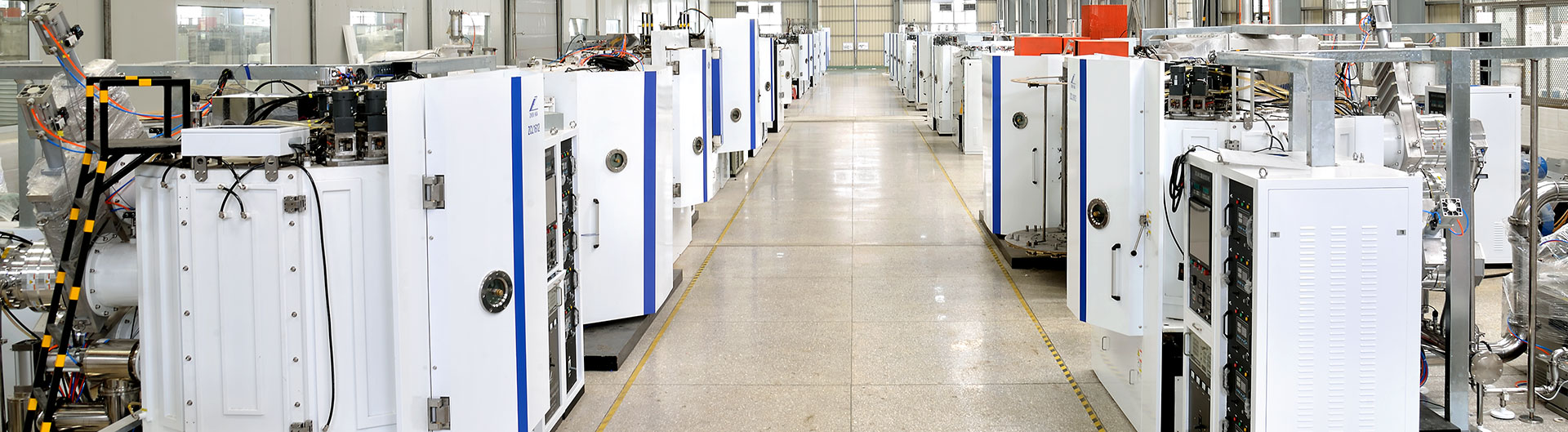
In vacuum coating systems, the vacuum pump assembly is the core unit responsible for establishing and maintaining the required process vacuum. Its operational condition directly affects pumping speed, ultimate pressure, system cleanliness, and the consistency and stability of coating processes. Defining proper maintenance cycles and implementing standardized maintenance procedures are essential to ensuring long-term, reliable operation of vacuum coating equipment.
1. Role of Vacuum Pumps in Coating Systems
In PVD and CVD vacuum coating processes, vacuum pump systems typically consist of backing pumps, Roots pumps, diffusion pumps, or turbomolecular pumps, performing several critical functions:
Establishing and maintaining the required vacuum range
Efficient removal of residual gases, moisture, and process by-products
Reducing partial pressures of background gases to improve film density and purity
Ensuring plasma stability and process repeatability
Any degradation in pump performance can lead to reduced pumping speed and deteriorated ultimate pressure, directly impacting film adhesion, uniformity, and yield.
2. Common Vacuum Pump Types and Typical Maintenance Intervals
1. Rotary Vane Pumps
Key maintenance tasks:
Inspection and replacement of pump oil
Cleaning of oil mist filters
Inspection of seals and vanes
Recommended intervals:
Oil inspection: weekly
Oil replacement: every 3–6 months (depending on process gases and operating hours)
Major service: annually
2. Roots Pumps
Key maintenance tasks:
Lubricant inspection for gearboxes
Inspection of shaft seals and couplings
Internal cleanliness checks
Recommended intervals:
Lubricant inspection: every 3 months
Lubricant replacement: annually
Operational checks: monthly
3. Diffusion Pumps
Key maintenance tasks:
Inspection of diffusion pump oil for oxidation or contamination
Verification of cooling water circulation
Cleaning of cold traps and baffles
Recommended intervals:
Oil condition check: every 3–6 months
Oil replacement: every 12–24 months
Cold trap cleaning: every 6 months
4. Turbomolecular Pumps
Key maintenance tasks:
Monitoring bearing condition
Monitoring vibration and temperature
Ensuring proper backing vacuum
Recommended intervals:
Continuous monitoring of operating parameters
Professional servicing or factory overhaul: every 3–5 years (per manufacturer guidelines)
3. Key Operational Considerations
To extend service life and maintain stable system performance, the following operational practices are essential:
Control inlet conditions
Prevent excessive moisture, particulates, or corrosive gases from entering the pump. Cold traps, filters, or gas isolation devices should be used when necessary.
Ensure proper pump matching
Backing pump performance must meet the starting and operating requirements of high-vacuum pumps to avoid abnormal operating conditions.
Monitor operating parameters
Pay close attention to temperature, current, vibration, and noise. Any abnormal changes should be investigated promptly.
Follow standardized start-up and shutdown procedures
Proper pump sequencing prevents oil backstreaming, reverse flow, and mechanical stress.
4. Impact of Improper Maintenance on Coating Processes
Inadequate vacuum pump maintenance can lead to a series of process-related issues, including:
Reduced ultimate pressure and increased background gas partial pressure
Increased impurity incorporation into films, degrading optical or mechanical properties
Decreased film adhesion and long-term reliability
Higher equipment failure rates and unplanned downtime
From both process stability and total cost of ownership perspectives, preventive maintenance is far more effective than corrective repair.
5. Conclusion
Vacuum pumps are not “run-and-forget” components but critical assets requiring maintenance strategies tailored to process conditions, operational load, and environmental factors. By implementing well-defined maintenance cycles and standardized operating procedures, vacuum coating systems can achieve long-term stability and deliver consistent, high-quality thin film performance.
–This article was published by vacuum coating equipment manufacturer Zhenhua Vacuum
Post time: Dec-09-2025