

1. Enhanced M9-Grade Laminate Performance Poses New Challenges for Downstream Micro-Drilling
As high-speed interconnects for AI servers advance toward 224 Gbps and beyond, high-frequency, high-speed copper-clad laminates (CCL) are undergoing a significant upgrade in material composition and performance.
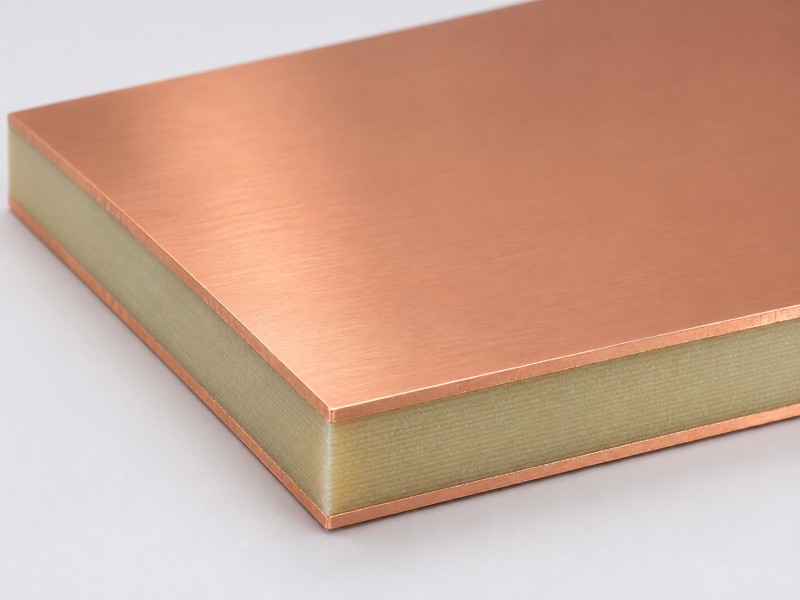
To minimize signal transmission losses at high frequencies, some M9-grade laminates incorporate a combination of quartz fiber cloth, hydrocarbon resin, high-hardness fillers, and ultra-low-profile copper foil (HVLP). The resin and quartz fiber cloth help reduce dielectric loss, while the low-surface-roughness copper foil further minimizes high-frequency signal attenuation. Together, these materials provide a low-loss transmission pathway for ultra-high-speed signals.
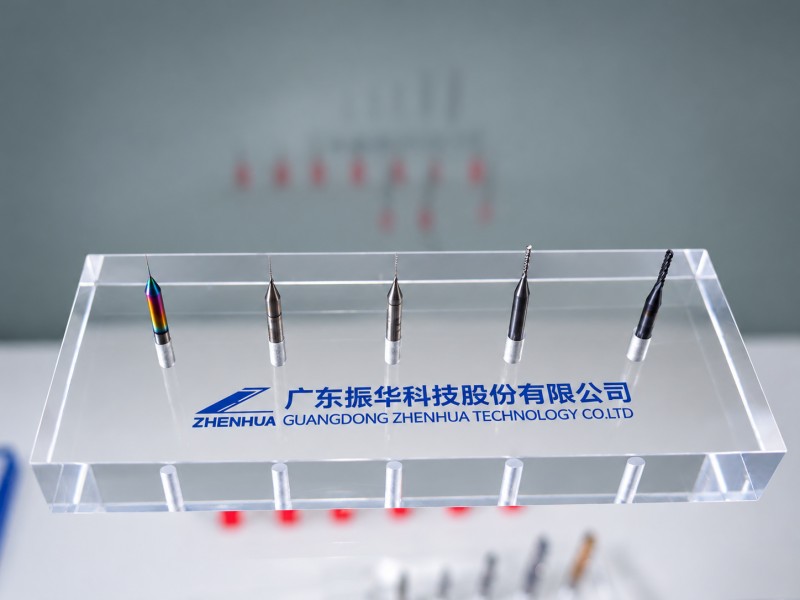
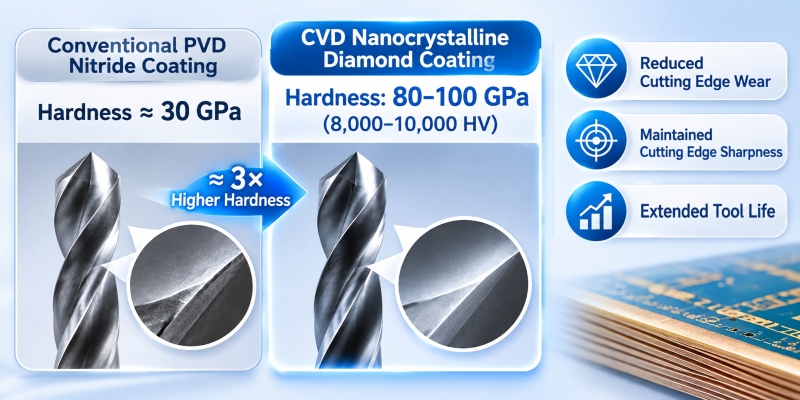
However, these performance improvements also introduce significant challenges for downstream PCB manufacturing. The quartz fiber cloth and hard fillers used in certain M9-grade laminates are highly abrasive to cutting tools. During the machining of ultra-fine micro-drills as small as 0.15 mm in diameter, conventional PVD nitride coatings such as TiAlN, which typically have a hardness of around 30 GPa, as well as conventional DLC coatings, face greater demands in terms of wear resistance. Under continuous friction and cutting heat, coating wear accelerates, increasing the risk of poor hole-wall quality, drill breakage, and reduced tool life. This places higher demands on micro-drill substrates and surface protection technologies, while potentially increasing overall manufacturing costs in mass production.
2. Zhenhua Vacuum’s CVD Nanocrystalline Diamond Coating Technology Enables Efficient Production of High-Layer-Count PCBs
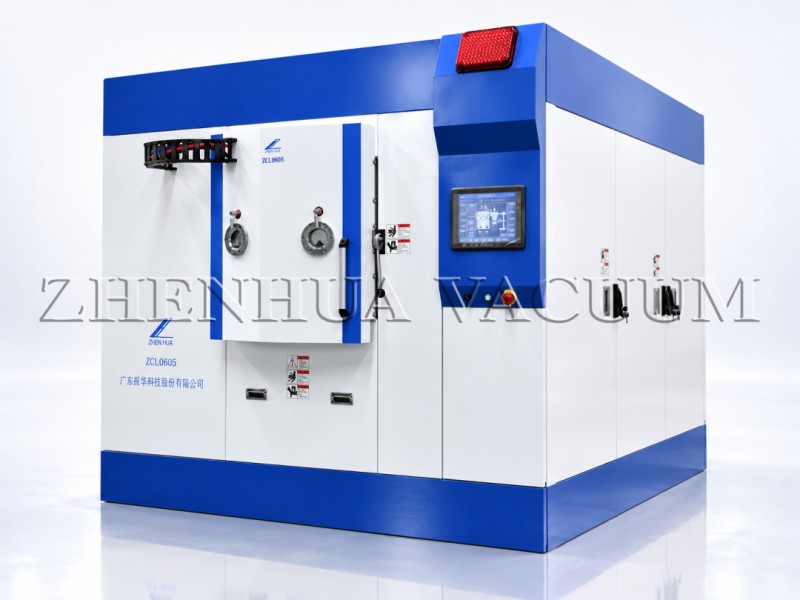
To address these challenges, Zhenhua Vacuum draws on its extensive experience in vacuum equipment R&D and has developed dedicated CVD nanocrystalline diamond coating equipment, together with a comprehensive process solution. The technology offers three key advantages.
Uniform and Dense Coating on Ultra-Fine Micro-Drills Through CVD Technology
Unlike conventional PVD processes, which are subject to line-of-sight deposition limitations and may suffer from shadowing effects, CVD (Chemical Vapor Deposition) relies on gas-phase chemical reactions. Under high-temperature conditions, carbon-containing reactive species undergo nucleation and growth on the drill surface. Its excellent conformal coating capability facilitates the formation of uniform and dense nanocrystalline diamond films on complex geometries, including the helical flutes and intricate cutting edges of ultra-fine micro-drills as small as 0.15 mm in diameter. This helps reduce chip evacuation resistance and cutting heat, minimize residual debris in drilled holes, and lower the risk of drill breakage caused by torque fluctuations.
Nanocrystalline Diamond Coatings Combining Ultra-High Hardness with Cutting Edge Sharpness
Zhenhua Vacuum’s CVD nanocrystalline diamond coating achieves a Vickers hardness of up to 8,000–10,000 HV (approximately 80–100 GPa), approaching the hardness of natural diamond and significantly exceeding that of conventional PVD nitride coatings (approximately 30 GPa). When machining M9-grade laminates containing highly abrasive quartz fiber cloth and inorganic fillers, the coating helps suppress cutting-edge wear and maintain tool sharpness. This extends the drilling life of individual micro-drills and improves hole-wall quality and machining stability in the production of high-layer-count PCBs for AI servers.
Integrated Equipment and Process Optimization for Stable, Large-Scale Production
Ultra-fine micro-drills with a diameter of 0.15 mm are particularly susceptible to thermal deformation, while achieving consistent coating quality across large batches remains a major industry challenge. To address these issues, Zhenhua Vacuum integrates precision temperature-field control, a uniform gas distribution system, and specially designed anti-deformation fixtures into its dedicated HFCVD equipment. While accommodating batch loading capacity and production efficiency, these technologies help minimize thermal deformation during the coating process and improve consistency in film thickness and grain size both within individual batches and between production runs. This enables cutting tool manufacturers to improve product yield and reduce the overall cost per drilled hole.
Conclusion
As AI computing hardware continues to drive increasingly demanding requirements for PCB materials and micro-hole machining precision, advanced tool surface modification equipment has become an essential part of high-end manufacturing.
Building on its long-standing expertise in vacuum coating equipment and thin-film process technologies, Zhenhua Vacuum continues to leverage the application advantages of CVD nanocrystalline diamond coating technology in high-performance micro-drilling. By providing advanced equipment and integrated process solutions, Zhenhua Vacuum helps cutting tool manufacturers overcome the machining challenges posed by M9-grade laminates, supporting the development of next-generation high-speed computing infrastructure.
-This article was published by vacuum coating equipment manufacturer Zhenhua Vacuum
Post time: Nov-25-2026