
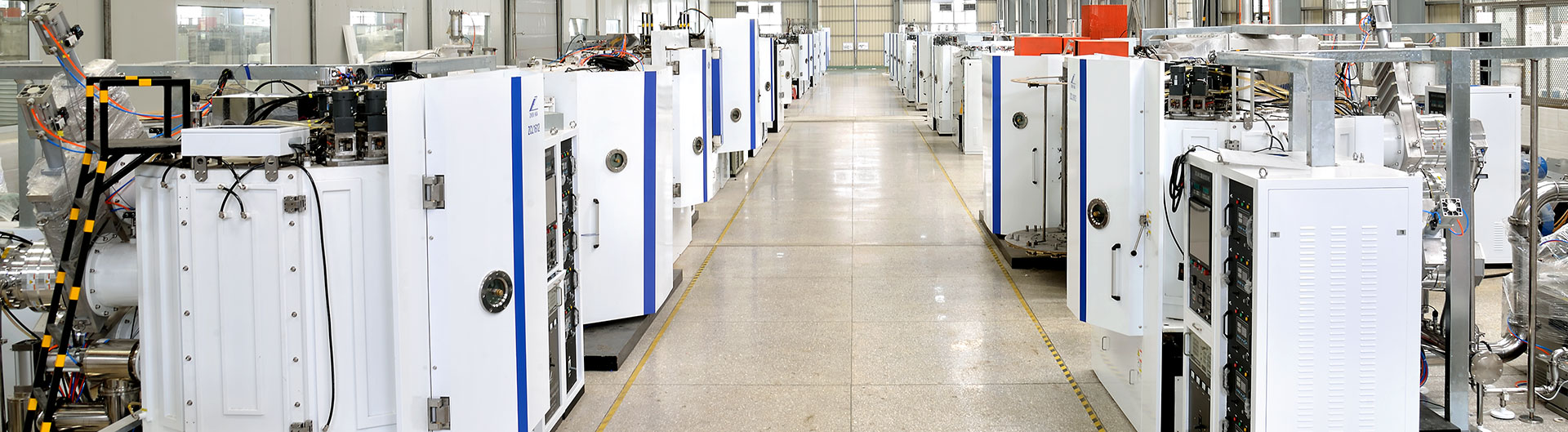
Driven by the continued growth of new energy vehicles, consumer electronics, industrial control systems, and smart home appliances, demand for electronic components such as varistors, thermistors, and ceramic capacitors is steadily increasing.
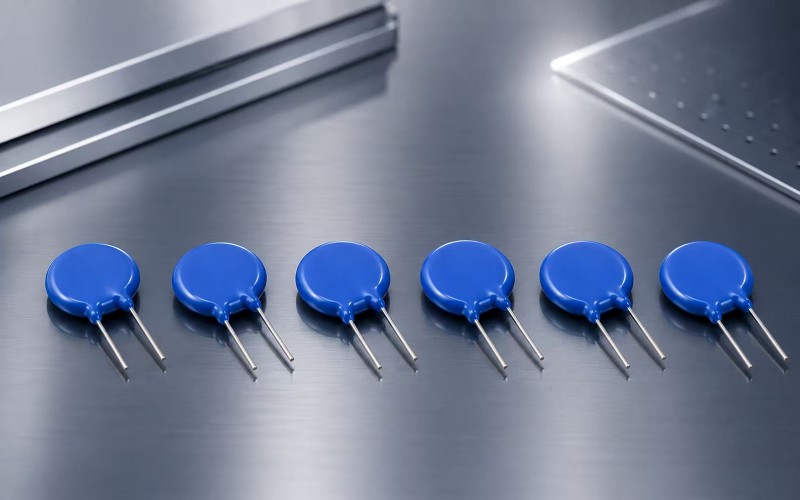
These components typically use functional ceramics as their core materials. To reliably conduct their electrical properties and support subsequent soldering, lead connection, or circuit assembly, metallic electrodes must be deposited on designated surfaces or terminal areas.
With its excellent electrical conductivity, contact performance, and solderability, silver is widely used as an electrode material for varistors, thermistors, and certain types of ceramic capacitors. As electronic components continue to evolve toward miniaturization and high-volume production, more stringent requirements are being placed on ceramic silver metallization processes.
Traditional Silver Paste Processes Face Challenges in Reducing Silver Consumption and Maintaining Stable Mass Production
Traditional ceramic electronic components are commonly metallized using silver paste transfer printing or wet-process silver plating. To meet electrical conductivity and subsequent application requirements, the silver layer typically needs to reach a thickness of approximately 20 μm, resulting in relatively high silver consumption. As silver prices continue to rise, the material cost associated with this thickness becomes increasingly significant in mass production, placing greater pressure on manufacturers to reduce costs.
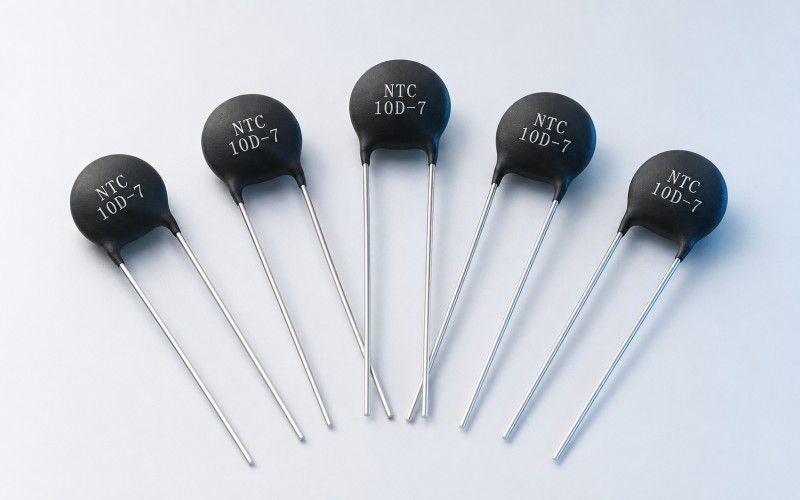
In addition to the cost of silver, conventional silver paste processes usually involve multiple stages, including silver paste printing, binder burnout, and high-temperature sintering. This extended process flow not only increases the production cycle but also requires more equipment capacity, energy consumption, and labor input, further raising the overall manufacturing cost.
Under mass-production conditions, coordination and parameter control across multiple processing stages also become more complex. Variations in printing quality, binder burnout conditions, or sintering parameters may affect product consistency and increase the difficulty of quality control during high-volume manufacturing.
Zhenhua Continuous Coating Line for Ceramic Capacitors and Resistors: Balancing Cost Reduction with Mass-Production Efficiency
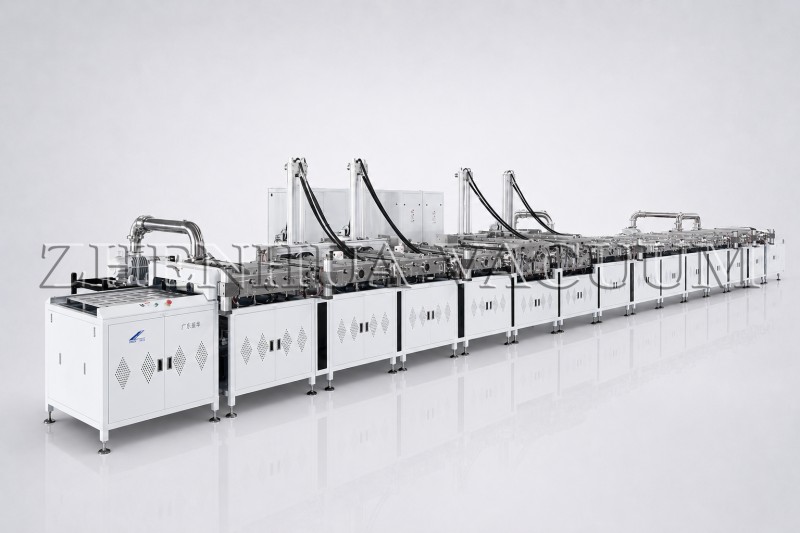
To address the high silver consumption and lengthy processing flow associated with conventional silver metallization, Zhenhua Vacuum has developed a dedicated continuous coating line for ceramic capacitors and resistors. By combining magnetron sputtering technology with an automated inline production system, the solution reduces material consumption while simplifying the overall silver metallization process.
Compared with conventional silver paste transfer printing or wet-process silver plating, which typically produces a silver layer approximately 20 μm thick, Zhenhua’s magnetron sputtering process precisely controls the silver film thickness within the range of 6–7 μm. While meeting the required electrical conductivity, durability, and sulfidation resistance, the process substantially reduces silver consumption. As a result, silver material costs can be reduced by approximately 70% compared with conventional processes.
The production line simplifies the traditional multi-stage process into two primary steps: substrate cleaning and loading, followed by vacuum deposition. By eliminating binder burnout and high-temperature sintering, the solution shortens the production cycle and reduces equipment occupation, labor requirements, and energy consumption. The fully automated continuous production system is compatible with ceramic substrates of various sizes and specifications, improving production efficiency while maintaining process stability and batch-to-batch consistency.
Conclusion
For ceramic capacitors, resistors, and other electronic components, upgrading the silver metallization process is not simply a matter of reducing film thickness. The key is to optimize silver utilization, process flow, and production efficiency while maintaining electrical conductivity, durability, and resistance to sulfidation.
Zhenhua Vacuum’s dedicated continuous coating line for ceramic capacitors and resistors integrates magnetron sputtering technology with automated inline production. It helps manufacturers reduce silver material costs, shorten the processing flow, and achieve efficient and stable mass production. In response to rising silver prices and increasing manufacturing cost pressures, achieving reliable performance with less material is becoming an important direction for the advancement of ceramic component metallization.
-This article was published by vacuum coating equipment manufacturer Zhenhua Vacuum
Post time: Jul-30-2026