
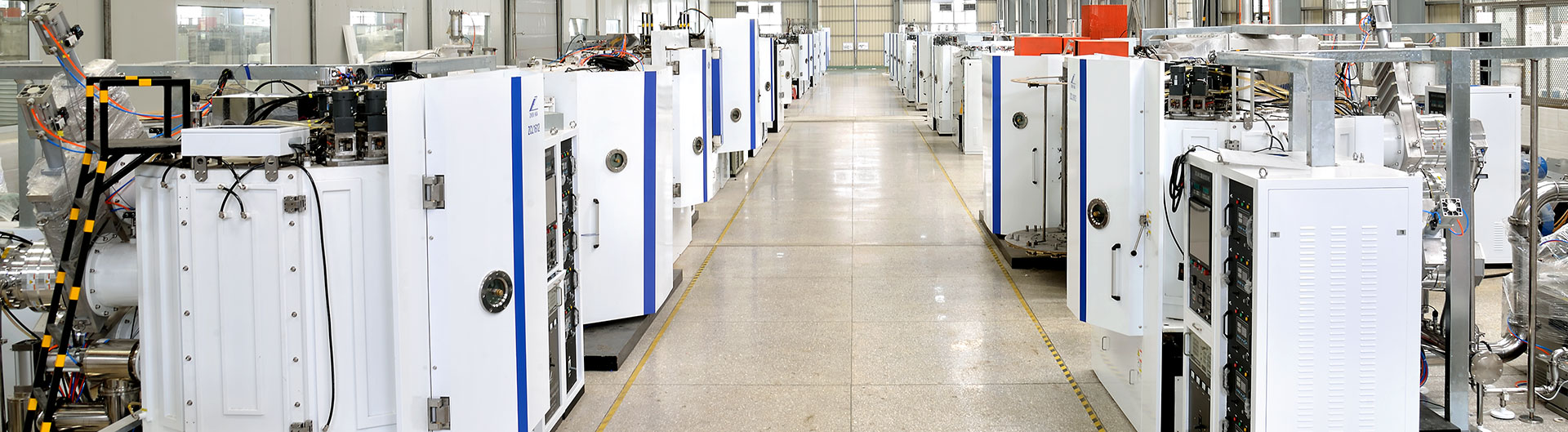
In the field of luxury watchmaking, aesthetic design holds equal importance to mechanical precision. As consumer demand for luxury, personalization, and refined craftsmanship continues to grow, the surface finishing of watch components such as dials, hands, and cases is undergoing significant transformation. Vacuum coating technologies (including PVD and CVD) have emerged as a core process in the industry, offering a unique combination of decorative appeal and functional performance.
1. Decorative Requirements and Industry Challenges
High-end watches serve not only as instruments of timekeeping but also as symbols of status and taste. Traditional electroplating methods, while capable of providing metallic finishes, face the following limitations:
Insufficient wear resistance: Prone to scratches and fading over long-term use.
Limited color options: Unable to meet diverse design requirements.
Environmental concerns: Electroplating generates wastewater and heavy-metal emissions, contradicting luxury brands’ sustainability goals.
2. Decorative Advantages of Vacuum Coating
Rich Color Spectrum
By precisely controlling target materials (TiN, ZrN, CrN, TiCN, etc.) and deposition parameters, stable and vibrant shades such as gold, rose gold, deep black, platinum gray, and blue-violet can be achieved, offering extensive design flexibility.
Superior Wear Resistance
PVD coatings typically reach hardness values above HV 1800, significantly enhancing scratch resistance and ensuring that timepieces retain their luster over long-term wear.
Excellent Chemical Stability
Coatings provide outstanding corrosion resistance, protecting surfaces against sweat, humidity, and common environmental acids and alkalis.
Eco-Friendly Manufacturing
Vacuum deposition produces no wastewater or heavy-metal pollutants, fully aligning with international luxury brands’ requirements for green manufacturing.
3. Typical Applications
Cases and Bracelets: TiN or ZrN coatings provide metallic textures and color variety while improving surface hardness.
Dials and Hands: Transparent or semi-transparent coatings enhance color depth and durability.
Limited Editions: Multilayer stack coatings create unique optical effects, delivering distinctive brand value.
4. Future Directions
Driven by the pursuit of personalization and innovation, vacuum coating in watchmaking is expected to evolve toward:
Multifunctional Layer Integration: Combining decorative appeal with anti-reflective and anti-fingerprint properties.
Advanced Coating Materials: DLC (diamond-like carbon) films for extreme durability and deep, elegant finishes.
Smart Manufacturing: Automated coating systems to ensure high-volume production with consistent quality.
Vacuum coating has redefined the decorative and protective standards of high-end watches, enabling the industry to advance toward sustainability, durability, and enhanced performance. As coating technologies continue to innovate, their role in luxury watch design and manufacturing will expand, solidifying their position as a key driver of competitiveness in the timepiece market.
—This article was published by vacuum coating equipment manufacturer Zhenhua Vacuum
Post time: Sep-25-2025