
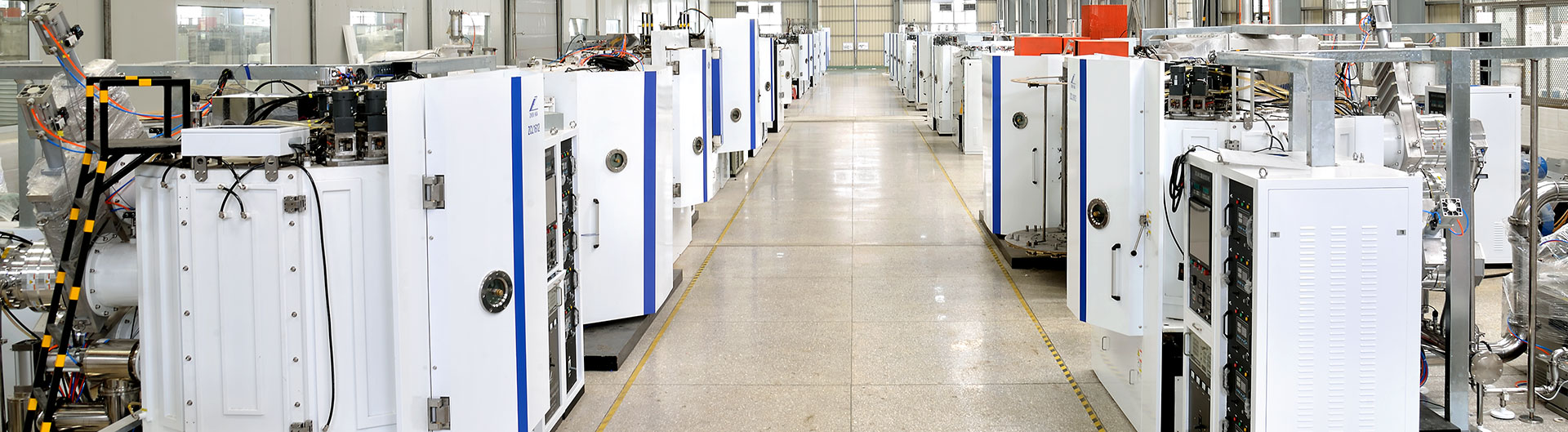
In modern manufacturing and high-end material processing, Multilayer Coating Technology has become one of the key processes. Whether in consumer electronics, automotive, optical lenses, or high-precision fields such as aerospace devices and solar energy, multilayer coatings bring transformative improvements to material surfaces due to their outstanding performance and broad adaptability.
What is Multilayer Coating?
Multilayer coating refers to the sequential deposition of two or more functional thin film layers on a material surface through PVD (Physical Vapor Deposition) or CVD (Chemical Vapor Deposition). These layers can be metals, metal oxides, nitrides, or composite materials, typically distributed at nanoscale thicknesses. By precisely controlling layer thickness and stacking sequence, specific optical, electrical, or mechanical properties can be achieved.
Core Advantages of Multilayer Coating
Performance Stacking and Synergistic Enhancement
The multilayer structure combines the advantages of different coating materials—for example, one layer enhances adhesion, another provides high reflectivity, while a third offers corrosion resistance or scratch-proofing. This “functional modular” design significantly improves overall coating stability and service life.
Optimized Optical Properties
In optical lenses, automotive HUDs, and smartphone camera lenses, multilayer coatings utilize refractive index differences and interference effects to achieve customized results such as high transmittance, low reflection, brightness enhancement, or anti-glare. These are widely applied in AR coatings, anti-reflective (AR) films, and reflective optical film systems.
Enhanced Wear and Corrosion Resistance
Combining hard layers with buffer layers improves abrasion resistance and impact resistance, making them suitable for high-stress applications such as tool coatings, automotive components, and home appliance panels, significantly extending product lifespan.
Superior Coating Density and Adhesion
Multilayer designs help reduce film stress and enhance interfacial bonding strength between the coating and substrate, ensuring stable deposition on various materials, including metals, ceramics, and plastics.
Typical Applications of Multilayer Coating
Optical & Display Industry:
AR/AF/AG coatings, HUD lenses, and smart mirrors demand extremely high film uniformity and optical performance.
Automotive Interior & Exterior Trim:
Decorative films for trims, knobs, and buttons combine aesthetics with durability, replacing traditional electroplating solutions.
Precision Tools & Molds:
DLC (Diamond-Like Carbon) and TiN (Titanium Nitride) multilayer coatings greatly enhance the wear resistance and service life of cutting tools and injection molds.
Cosmetics & Packaging Industry:
Metallic luster or color-shifting coatings on cosmetic caps and compacts create premium visual effects.
Solar & Photovoltaic Sector:
Multilayer reflective/absorptive films optimize spectral response efficiency, improving energy conversion rates in solar modules.
As material technology and end-use applications continue to evolve, multilayer coating technology has transitioned from the lab to industrial-scale production. It not only meets diverse performance requirements but also opens new possibilities for product design and functional integration. For manufacturers, investing in multilayer coating capabilities has become a critical factor in enhancing competitiveness.
Post time: Oct-21-2025